


-
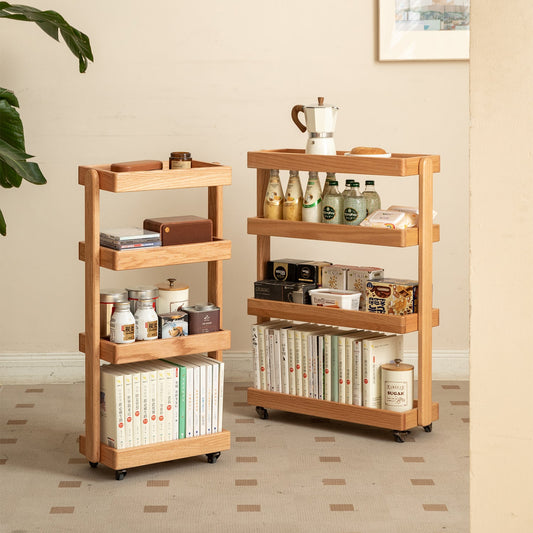
Scandinavian Oak Wood Wheeled Trolley Side Table MIRA
Regular price From Dhs. 99.00 AEDRegular priceDhs. 119.00 AEDSale price From Dhs. 99.00 AEDSale -
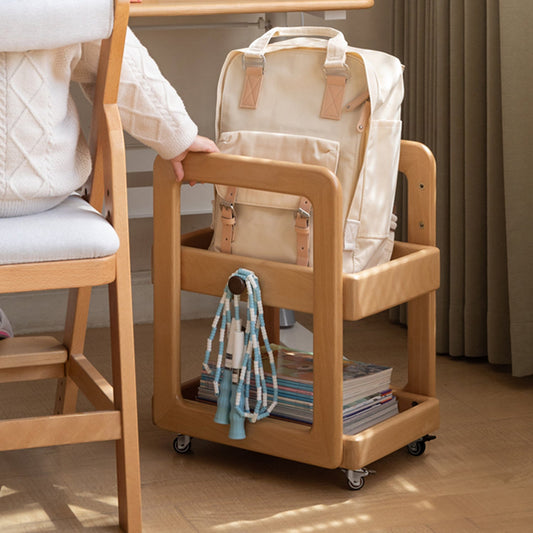
Scandinavian Beech Wood Wheeled Trolley Side Table VERA
Regular price Dhs. 89.00 AEDRegular priceDhs. 109.00 AEDSale price Dhs. 89.00 AEDSale -
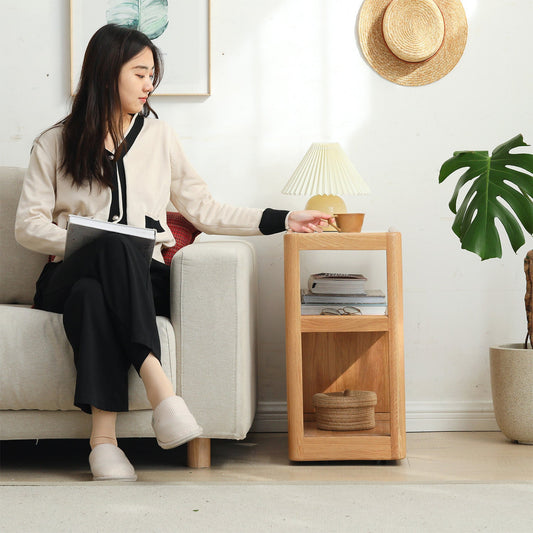
Scandinavian Oak Wood Sintered Stone Wheeled Trolley Side Table LIVA
Regular price Dhs. 249.00 AEDRegular priceDhs. 299.00 AEDSale price Dhs. 249.00 AEDSale -
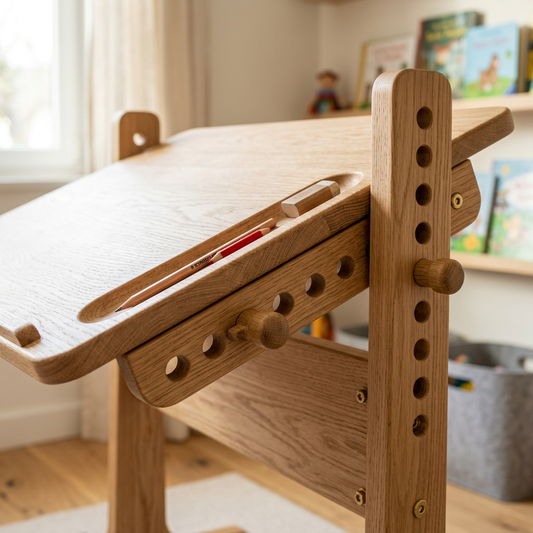
SPROUT Adjustable Solid Beech Kids Ergonomic Study Desk & Chair Set
Regular price Dhs. 1,199.00 AEDRegular priceDhs. 1,499.00 AEDSale price Dhs. 1,199.00 AEDSale -
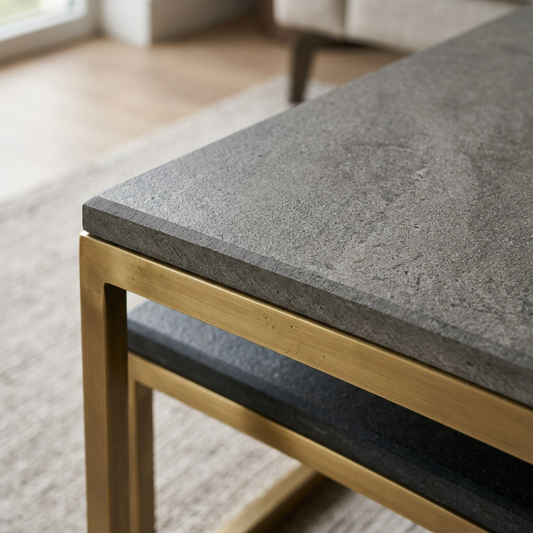
TERRA Sintered Stone Modern Nesting Coffee Tables (Set of 2)
Regular price Dhs. 999.00 AEDRegular priceDhs. 1,299.00 AEDSale price Dhs. 999.00 AEDSale -
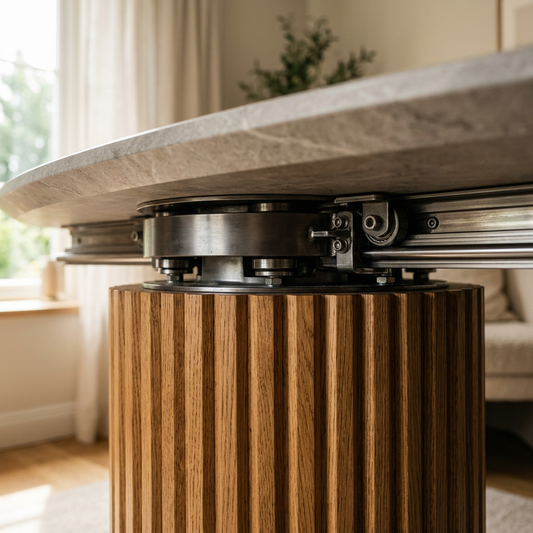
ORBIT Scandinavian Oak Wood Sintered Stone Extendable Round Dining Table
Regular price From Dhs. 1,899.00 AEDRegular priceDhs. 2,299.00 AEDSale price From Dhs. 1,899.00 AEDSale -
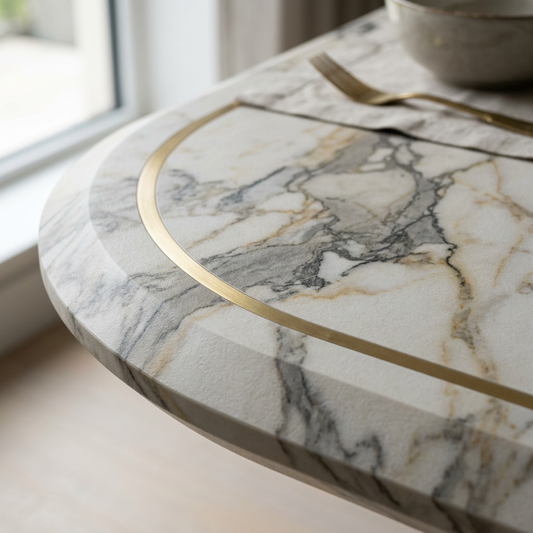
AURELIA Modern Luxury Sintered Stone Rectangular Dining Table
Regular price Dhs. 1,290.00 AEDRegular price







Tables by Type


Tables by Function

Storage Tables

Drawer Tables

Shelf Tables

Pet Friendly Tables

Water Proof Tables

Scratch Resistant Tables

Extendable Tables

Tables with Wheels

Lift-Up Door Tables

Height Adjustable Tables

Sliding Door Tables

Box Tables

Tables with Power Point

Tables with LED Light

Pegboard Tables

Revolving Tables

Swing Door Tables

Tables with Mirror


