


-
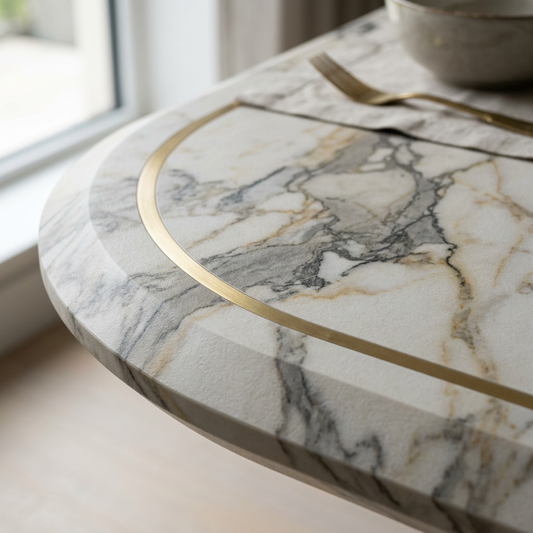
AURELIA Modern Luxury Sintered Stone Rectangular Dining Table
Regular price Dhs. 1,290.00 AEDRegular price

Frequently Asked Questions and Answers (FAQ)
1. What is a bar table used for? +
A bar table is a raised table designed for casual dining, drinks, conversation, and socialising. It can be used in kitchens, dining areas, open-plan living spaces, or home entertaining areas. Depending on its size and design, a bar table may provide a compact spot for everyday meals or a dedicated surface for hosting guests. Pairing it with appropriately sized bar stools helps create a comfortable and functional seating area.
2. What is the standard height of a bar table? +
Bar table heights vary by design, so it is important to check the manufacturer's measurements before buying. Many traditional bar-height tables are approximately 40–42 inches high, while counter-height tables are often around 34–36 inches high. These are common ranges rather than fixed standards. To choose compatible seating, compare the table height with the stool seat height and allow enough clearance for comfortable legroom.
3. Are bar tables suitable for small spaces? +
Yes, a compact bar table can be a practical option for a small kitchen, apartment, or open-plan living area. Narrow rectangular tables can fit along a wall or counter, while small round tables may work well in corners or compact dining areas. Before choosing a design, measure the available floor space and account for stool placement, legroom, and the clearance needed to move around the table comfortably.
4. How do I choose the right bar stools for a bar table? +
To choose bar stools for a bar table, compare the table height with the stool's seat height. A gap of approximately 10–12 inches between the seat and the underside of the tabletop is a useful starting point for comfortable legroom, although the ideal fit depends on the table design and the person using it. Also check the width of each stool and the space available between seats so everyone can sit comfortably.
5. Which material is best for a bar table? +
The best bar table material depends on your preferred style, everyday use, and maintenance needs. Wood tables can bring warmth and natural texture to a room, while metal designs may suit industrial or contemporary interiors. Other tabletop materials offer different finishes and care requirements. Consider the table's stability, surface durability, cleaning instructions, and how well its material complements your existing furniture before making a choice.
6. What size bar table do I need? +
The right bar table size depends on how many people you want to seat and the amount of space available. A smaller tabletop may suit a couple or a compact breakfast area, while a longer table can accommodate more stools. Check the table's length, width, and height, as well as the available legroom and space needed to pull stools in and out. Always use the manufacturer's seating guidance where available, since capacity varies by design.
7. What should I consider before buying a bar table? +
Before buying a bar table, consider its height, tabletop dimensions, seating capacity, material, stability, and intended use. Measure the area where it will be placed and check that there is enough room for stools and comfortable movement. If you are buying stools separately, confirm their seat height and width are compatible with the table. It is also worth reviewing assembly instructions, care requirements, delivery details, and the product's specifications before ordering.


